
eVs
What are the types EVs
& Hybrid Vehicles
Electric vehicles (EVs) are fun to drive, cheaper and easier to maintain than gas-powered vehicles, and contribute fewer emissions into the air. With tax incentives available and a fast-growing network of charging stations, find out if owning an EV is the right choice for you.



Which EV is Right for Me?
Plug in? Battery Only? Traditional Hybrid? What are the differences?
Battery Electric
Fully electric cars offer the smallest environmental footprint and the biggest savings on maintenance and fuel.
Plug-in Hybrid
Plug-in hybrids have a rechargable electric motor and a gas-powered engine to extend range if needed.
Traditional Hybrid
Powered by an electric motor and gas-powered engine, Hybrids recharge as you drive. Tax credits and other benefits may not apply.
Benefits of Plugging In
Federal Tax Credit
Local Incentives
Low Cost to Own
Fuel Up At Home
Quick and Quiet
Best of Both Worlds
of EV owners surveyed said they’d purchase another EV as their next vehicle.
Frostbyte Motors can help you find a quality pre-owned EV or Hybrid Vehicle
Owning an EV
Understanding Charging
Car Shopping Made Easy
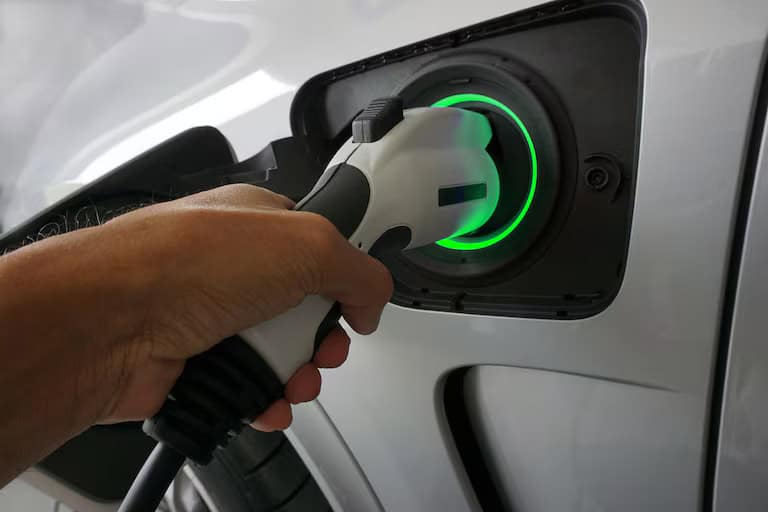
Charging times vary depending of the type of charger used.
Level 1 chargers use a standard household outlet and charge about 2-5 miles of range per hour, making Level 1 a good choice for plugin hybrid vehicles but not battery electric vehicles.
Level 2 chargers can be installed at your home by a professional electrician and charge about 10-20 miles of range per hour. A good choice for any EV when charging overnight or all-day is possible.
Level 3 fast chargers are the most efficient and can be found at commercial locations. Level 3 can charge about 60-80 miles of range in about 20 minutes, making it a good choice for any EV when a quick charge is needed on the go.
Charging from Home
Car Shopping Made Easy

Battery Care
Car Shopping Made Easy
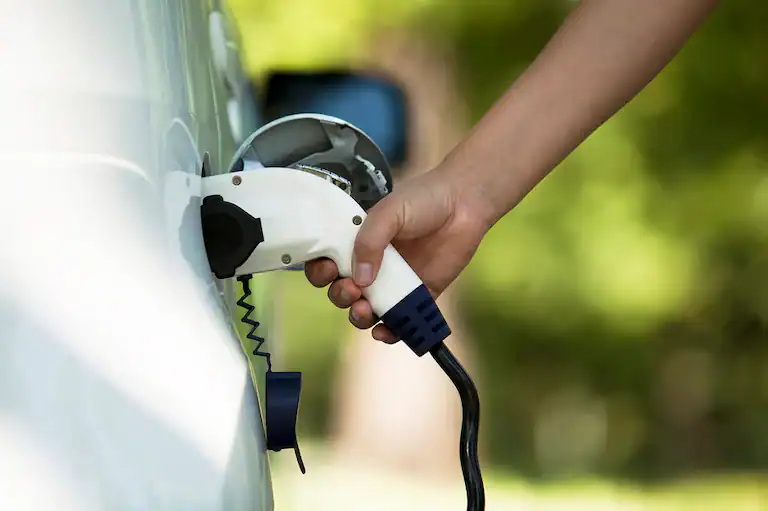
Most batteries will last between 100,000 and 200,000 miles when properly cared for. With battery technology continually advancing, that number will continue to increase. If you can keep your battery between 20% and 80% charged most days and avoid extremely hot temperatures, you can expect your maintenance to be minimal.
Common Questions
What credits and incentives are available?
What other perks are available?
Other advantages of owning an EV include:
- Eligible EVs may also qualify for HOV lane access, which are normally restricted to vehicles with multiple passengers.
- Many electric companies offer lower rates based on the time of use. With EVs, you can save money by charging during off-peak times.
- If you’re able to charge from work or home, there’s usually no need to stop to refuel like you would in a gas-powered vehicle.
- EVs produce zero tail-pipe emissions resulting in cleaner air and better health.
How much will I save on gas?
This will vary depending on the local price of electricity and gas and where you are charging (at home or public charger), but most EV owners can expect to save on fuel cost. A recent Consumer Reports study found the “typical EV owner who does most of their fueling at home can expect to save an average of $800 to $1,000 a year on fueling costs over an equivalent gasoline-powered car.”
Source: Benjamin Preston. October 08, 2020. EVs Offer Big Savings Over Traditional Gas-Powered Cars.
https://www.consumerreports.org/hybrids-evs/evs-offer-big-savings-over-traditional-gas-powered-cars/
How much will I save on maintenance?
A recent Consumer Reports study found “maintenance and repair costs for EVs are significantly lower over the life of the vehicle – about half – than for gasoline–powered vehicles, which require regular fluid changes and are more mechanically complex. The average dollar savings over the lifetime of the vehicle is about $4,600.”
Source: Benjamin Preston. October 08, 2020. EVs Offer Big Savings Over Traditional Gas-Powered Cars.
https://www.consumerreports.org/hybrids-evs/evs-offer-big-savings-over-traditional-gas-powered-cars/
How much range do I need?
How long does it take to charge?
- Level 1 chargers use a standard household outlet and charge about 2-5 miles of range per hour, making Level 1 a good choice for plugin hybrid vehicles but not battery electric vehicles.
- Level 2 chargers can be installed at your home by a professional electrician and charge about 10-20 miles of range per hour. A good choice for any EV when charging overnight or all-day is possible.
- Level 3 fast chargers are the most efficient and can be found at commercial locations. Level 3 can charge about 60-80 miles of range in about 20 minutes, making it a good choice for any EV when a quick charge is needed on the go.
Can I charge at home?
Yes, Level 1 and Level 2 chargers can be used at home. In fact, the standard 120V outlet supports a Level 1 charger. Level 2 chargers require 240V and can be installed by a licensed electrician. If you do not own your home, you may need to work with your property owner to install a Level 2 charger.
How long does the battery last?
Most batteries will last between 100,000 and 200,000 miles when properly cared for. With battery technology continually advancing, that number should continue to increase.